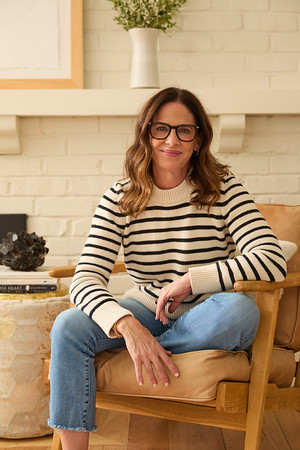
Therapy that produces real movement, not just insight.
You don't need to have it figured out before we start. You need a place to work on what's actually stuck — and someone who won't let the work stall out in talk.
I don't believe insight alone changes behavior. You have to practice the new move — in session, out loud, until it's more available than the old one.
That's true whether we're working through a panic response, a family conflict, or a memory that won't stay where it belongs.
Who I Work With
Individuals
Teens
Parents
What Brings People In
Emotion Regulation
When feelings arrive too fast or too big to think through — and the coping strategies you have aren't holding.
Anxiety & Avoidance
Social anxiety, avoidance patterns, the low hum of dread that shapes decisions before you notice it's there.
Trauma
When the past intrudes on the present: flashbacks, triggers, a nervous system that has trouble settling. EMDR helps reprocess what's stuck.
Relationships & Attachment
Patterns that show up with parents, partners, friends — usually older than the relationship they're playing out in.
Life Transitions
Whether you're finding your footing in your twenties, navigating divorce or retirement, or facing the end of life, I help clients move through major life changes with more clarity and less isolation.
Going Deeper
Exploring meaning, purpose, and spirituality, and what it means to live in alignment with what matters to you most.
How the work actually happens
Skills you can use today
Concrete tools for distress tolerance, emotion regulation, mindfulness, and getting through conflict without torching the relationship.
Processing without re-living
For memories or experiences that still fire like they're happening now — moving them into the past where they belong.
The pattern beneath the pattern
Looking at how early relationships shaped what feels safe, and building a different template from here.
About Me
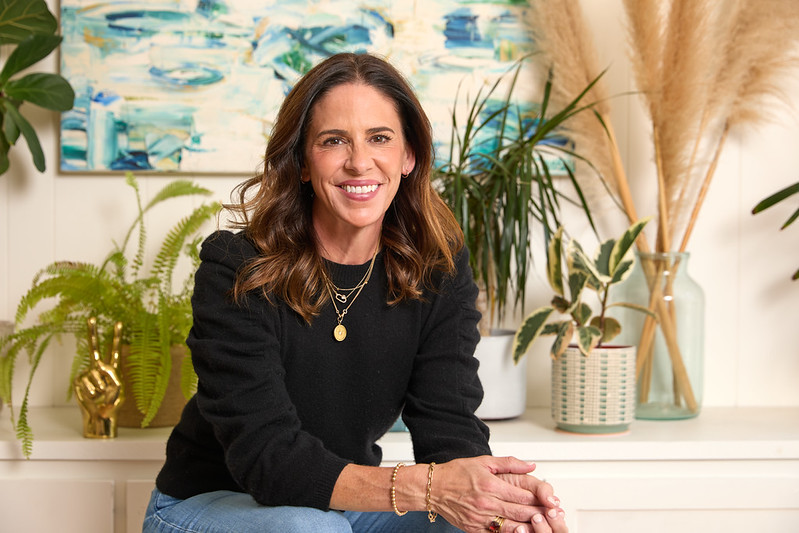
I decided I wanted to be a therapist in ninth grade, when I took my first Intro to Psychology class. To my emotionally reactive adolescent brain, the idea that our thoughts might determine our behavior, and that we can choose which thoughts we think, was revolutionary. I chose to major in Psychology in college, and have been working in the field (for the most part) ever since.
My graduate program focused on cognitive behavioral psychology, but my post-graduate training was psychodynamic. That experience broadened how I understand complex behavior and motivations: relational and attachment patterns, the unconscious pull of old dynamics, and why we keep ending up in the same place even when we’re trying not to.
I want to understand what's underneath a pattern and I want you to leave sessions with something you can actually use. That combination - depth and action - is basically how I approach each session. I don't believe insight alone creates change. Understanding yourself matters, but at some point you have to do something with what you learn, and that’s where I push. I’ll tell you what I’m noticing, even when it’s uncomfortable, and I’ll ask you to try things in between our sessions.
Ready to start? Let's talk.
Consultation calls are free and take about 15 minutes — enough to know if this is the right fit before we schedule a first session.
suzanne@suzanneberniermft.com